

Kitchen Remodeling for Independence, Safety, and Dignity in Massachusetts
Kitchen remodeling is not just about cabinets and countertops. For many families across Boston and Metro-West Massachusetts, it is about safety, access, and the ability to stay at home with confidence. At Operation Independence, we approach kitchen remodeling through the lens of accessibility, universal design, and long-term independence. With over 25 years of experience adapting homes for people of all ages and abilities, our kitchen projects are designed to remove barriers, reduce risk, and support daily living without sacrificing comfort or style.

Rethinking the Kitchen as a Living Space
At Operation Independence, we do not view kitchen remodeling as a cosmetic upgrade. We see it as a functional transformation. Our goal is to adapt kitchens so our clients can cook, clean, and move freely without strain or fear of injury. Every kitchen remodel begins with a careful, in-home assessment that considers current needs, future changes, and the realities of the home itself.
Because we are a Massachusetts-based accessibility contractor, all kitchen remodeling projects are designed to meet local building codes while aligning with best practices in universal design.
Our Approach to Accessible Kitchen Remodeling
No two households face the same challenges. Some clients are adapting after an injury. Others are planning ahead so they can age in place. Families with children who have physical challenges often need kitchens that work for caregivers and users alike.
Our design process reflects that diversity of need. We combine hands-on experience with modern design tools and collaboration with accessibility-focused architects when needed. The result is a kitchen that works in real life, not just on paper.
Our remodeling projects focus on:
- Safe movement through clear floor space and thoughtful layout
- Reduced reaching, bending, and lifting
- Easy access to appliances and storage
- Durable materials that support long-term use
We pride ourselves on delivering solutions that balance function and appearance, while respecting budget limits.
Key Features of an Accessible Kitchen
An accessible kitchen does not look institutional. When done well, it feels open, practical, and inviting. Many of the features we recommend benefit every member of the household.
Layout and Floor Space
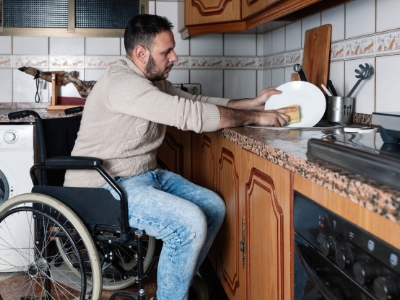
Proper clearance is essential for wheelchair users and those who rely on walkers or canes. We often redesign kitchens to widen pathways, improve turning space, and reduce obstacles. In some homes, this involves reworking walls or doorways. In others, it means rethinking how cabinets and appliances are arranged.
Countertops and Work Surfaces
Standard counter heights are not always practical. We design custom counter heights based on how the kitchen is used. In some cases, we install varied counter levels so tasks like food prep, baking, and cleanup can be done comfortably from a seated or standing position.
Cabinets and Storage
Deep cabinets and high shelves can be frustrating or unsafe. We install pull-out shelves, drawers, and lazy Susan units that bring items within easy reach. Soft-close hardware reduces strain on hands and joints, while clear labeling and lighting improve visibility.
Appliances
Appliance selection and placement play a major role in kitchen safety. Wall ovens installed at reachable heights, side-opening ovens, and cooktops with front-mounted controls help reduce burns and falls. Refrigerators with bottom freezers and easy-grip handles are often preferred.
Flooring and Lighting
Slip-resistant flooring is critical in kitchens, where spills are common. We guide clients toward materials that provide traction without being hard to clean. Layered lighting, including under-cabinet fixtures, reduces shadows and eye strain while improving task visibility.
Local Insight: Aging in Place Across Metro-West Massachusetts
Many towns in Metro-West Massachusetts are seeing a rise in multi-generation households. Families want to keep loved ones close, rather than moving them into assisted living facilities. Kitchen remodeling often becomes the first step in adapting a home for long-term living.
We have worked in homes throughout Watertown, Newton, Waltham, Framingham, and surrounding communities where zoning rules, older construction, and tight floor plans create unique challenges. Our local experience allows us to design kitchens that respect the character of these homes while making them safer and more practical for modern needs
Integrating Kitchens Into Whole-Home Accessibility
Kitchen remodeling rarely stands alone. In many projects, it connects directly to other home modifications.
For example, we often coordinate kitchen updates with:
- Bathroom remodeling for safe hygiene routines
- Ramp or lift installation to improve entry access
- Doorway widening for wheelchair clearance
- Threshold removal to allow smooth movement between rooms
Because Operation Independence offers full home accessibility construction, our clients benefit from a unified plan rather than piecemeal changes.
Remodeling for Caregivers and Families
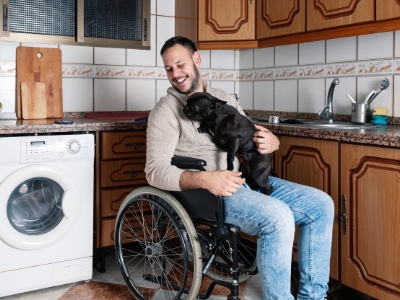
Accessible kitchens are not only for the person with mobility challenges. They also support caregivers, spouses, and family members who share the space.
A well-designed kitchen can reduce caregiver strain by:
- Minimizing lifting and reaching
- Allowing shared meal preparation
- Improving safety during daily routines
Families with children who have physical challenges often need adaptable features that can evolve as the child grows. Our kitchen designs anticipate those changes, helping families avoid repeated renovations.
Budget Planning and Financing Options
Kitchen remodeling can feel overwhelming from a cost standpoint. Part of our role is helping clients understand what is possible within their budget and where financial assistance may apply.
Massachusetts Home Modification Loan Program
The Commonwealth of Massachusetts offers the Home Modification Loan Program, which provides low or no-interest loans for accessibility improvements. Loans can be up to $50,000, often with no monthly payments and repayment deferred until the home is sold.
We have extensive experience assisting clients with the application process and coordinating project documentation. Program details are available through the state at https://www.mass.gov/home-modification-loan-program.
Veterans Grants
Eligible veterans may qualify for grants through the Department of Veterans Affairs to support home accessibility modifications. Information on these programs can be found at https://www.va.gov.
Other Financial Resources
Some long-term care insurance policies include home modification benefits. Local disability organizations and housing agencies may also offer assistance. We help clients explore these options as part of the planning process.
Common Questions Around Kitchen Remodeling
Can an accessible kitchen still look modern?
Yes. Accessibility features can be integrated into clean, modern designs. The focus is on usability, not appearance alone.
Do I need a full remodel to improve safety?
Not always. In some cases, targeted changes like cabinet modifications or appliance relocation can make a meaningful difference.
How long does an accessible kitchen remodel take?
Timelines vary based on scope. Smaller projects may take weeks, while full remodels or structural changes take longer.
Is kitchen remodeling worth it for aging in place?
For many homeowners, adapting the kitchen is a key step in remaining independent at home for years to come.
A Kitchen Designed for Real Life
At Operation Independence, kitchen remodeling is about more than renovation. It is about restoring confidence, reducing risk, and supporting daily independence. Whether you are planning ahead or responding to a recent change in mobility, our team is here to guide you through a thoughtful, personalized process.
We invite homeowners across Boston and Metro-West Massachusetts to contact us for a free assessment. Together, we can design a kitchen that supports independence today and adapts for tomorrow.
Read More
Related Terms
- universal kitchen design
- accessible home remodeling
- aging in place renovations
- wheelchair accessible kitchen
- adaptive kitchen layout
Additional Resources
- Americans with Disabilities Act design guidance: https://www.ada.gov
- Universal design overview: https://en.wikipedia.org/wiki/Universal_design
- Aging in place concepts: https://www.nia.nih.gov/health/aging-place
Expand Your Knowledge
- Massachusetts Office on Disability: https://www.mass.gov/orgs/massachusetts-office-on-disability
- U.S. Department of Housing and Urban Development accessibility resources: https://www.hud.gov